
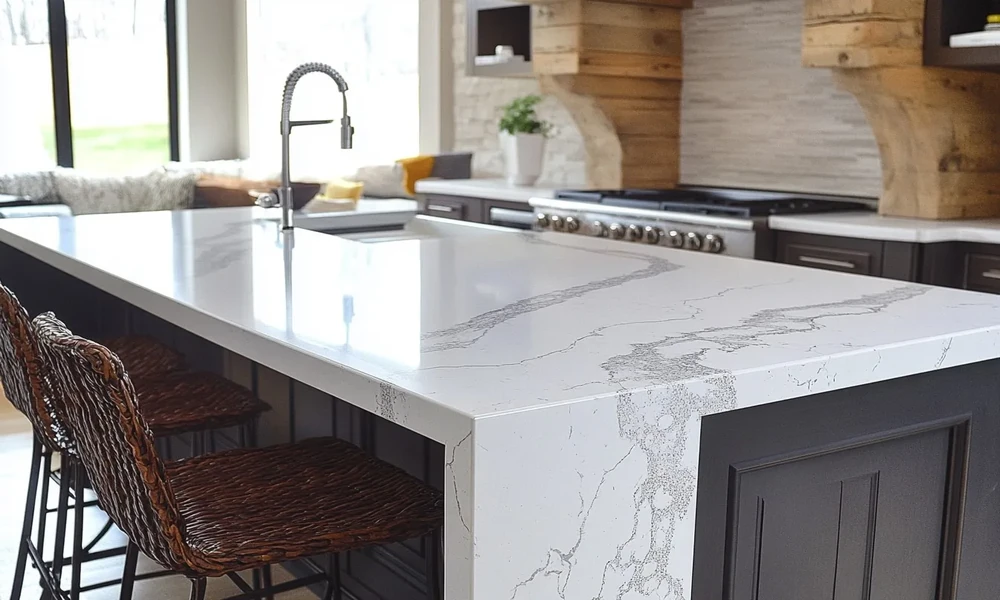
Natural stone has captured the imagination of interior designers and property owners for decades. Its unique patterns, tactile surfaces, and enduring beauty have turned quartz and granite countertops into centerpieces for modern homes and businesses alike. What is it about these surfaces that commands such attention?
The Rise of Natural Stone in Interior Design
Granite and quartz have roots that reach far beyond contemporary kitchens and boardrooms. In the early days of architecture, granite’s strength was prized for monuments and grand buildings, while quartz’s subtle sheen found its place in decorative objects and flooring. As manufacturing and fabrication processes evolved, these materials shifted from large-scale, industrial use to finer, more personal applications in homes and commercial venues.
Early Uses of Granite and Quartz in Architecture
Old-world cathedrals, palaces, and public landmarks have long featured granite’s rugged resilience. The material’s ability to withstand the test of time made it a symbol of durability and prestige. Quartz, while less prevalent in monumental architecture, was valued for its clarity and luminance, often incorporated as ornamental stone.
Transition from Industrial to Residential and Commercial Spaces
As technology made stone cutting and finishing more precise, designers began to realize the potential of these materials in smaller, more intimate settings. Today, the adaptability of granite and quartz allows for their use in a wide variety of residential and commercial projects, from sleek kitchen islands to bold reception desks.
Technological Advances Enhancing Granite and Quartz Countertops
The journey from raw stone to refined countertop involves a blend of craftsmanship and innovation. Computer-guided cutting tools and high-precision polishers now unlock design possibilities that were once unimaginable. These advances allow for edges, inlays, and patterns tailored to even the most specific client visions.
Introduction of Customization and Design Tools
Design is no longer restricted to what you can visualize in your head. Tools like the Kitchen Visualizer make planning a breeze, letting homeowners and business owners experiment with layout, color, and materials virtually before committing to a final design. This degree of customization ensures that each install is as unique as its surroundings.
The Growing Popularity of Quartz and Granite: Why Do They Matter Today?
It is not just looks that drive demand for these stones. Granite’s natural composition resists heat and scratching, while engineered quartz offers a nonporous surface that is easy to clean and nearly impervious to staining. For busy kitchens or commercial surfaces, these qualities are more than aesthetic, they are practical essentials.
Aesthetically, both materials bring a spectrum of possibilities. Granite, with its organic veining, introduces a touch of the outdoors into any space. Quartz can be engineered in a wide range of hues, from bold contemporary colors to subtle, marble-like veining. This versatility ensures a fit for any design vision, whether modern minimalist or timeless classic.
Sustainability matters more now than ever. Many suppliers prioritize ethical sourcing and efficient fabrication, reducing waste and energy consumption compared to older methods.
Residential Applications: Transforming Homes with Quartz and Granite
In kitchens, granite and quartz have proven to be more than just surfaces for meal prep. Quartz’s nonporous nature makes it a hygienic choice for food handling areas, while granite’s resistance to heat is valued near stoves and cooktops. Bathrooms benefit from the visual impact of stone vanities, with tub decks adding spa-like luxury.
Outdoor living spaces are not left out. Weather-resistant qualities allow stone countertops to transform patios and outdoor kitchens into extensions of the home, blending durability with upscale style.
Commercial Uses: Elevating Business Environments
First impressions matter in business. Hotels, restaurants, and offices are increasingly opting for granite and quartz to create welcoming, high-impact entrances, sleek bar tops, and elegant conference tables. Their low maintenance and long life keep spaces looking sharp, even with heavy use.
The Customer Experience Evolution in Countertop Selection
The process of choosing a countertop is more collaborative and customer-focused than ever. Companies now offer personalized consultations, guiding clients through every decision, from selecting the perfect slab to installation. Virtual tools and showrooms help clients envision the final product, ensuring confidence in their choices.
Providers like Casa Granite exemplify this shift, combining decades of expertise with design technology and attentive customer service to turn ideas into reality.
Future Trends in Granite and Quartz Countertops
The countertop industry is pushing for greener processes and materials. Recycled content, responsible quarrying, and reduced water usage all speak to a growing environmental consciousness. Smart home integration is on the horizon, with new surfaces designed to work seamlessly with wireless charging and built-in sensors. Design-wise, the appetite for bold patterns and mixed-material installations continues to rise.
Making the Choice: How to Decide Between Quartz and Granite for Your Space
Selecting between these materials comes down to a balance of budget, aesthetics, and maintenance preferences. Granite may appeal to those who want unique, natural character, while quartz caters to those looking for uniformity and low upkeep. Partnering with professionals ensures your needs are matched to the right solution, promising long-term satisfaction and value for any space looking to make a statement.
