
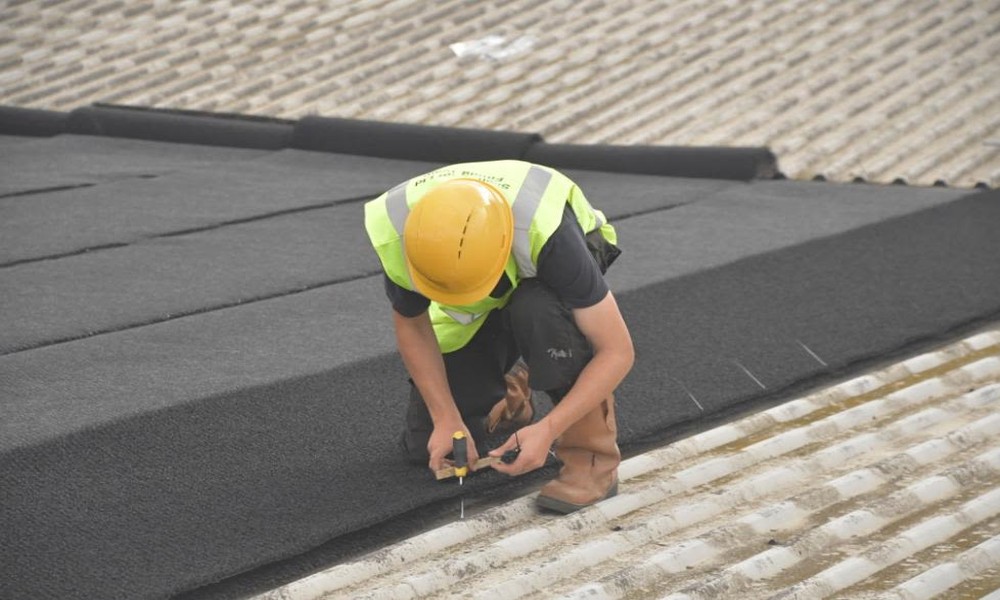
In Flintshire, where rainfall is a familiar feature of the seasonal landscape, the sound of rain on roofing can become more than a simple background rhythm. For sensitive sleepers, persistent rain echoes may interrupt rest, elevate nighttime stress, and reduce overall sleep quality.
Thoughtful roofing design and material choices can significantly soften these sounds, creating calmer indoor environments that better support restorative sleep.
Understanding Rain Echo and Sleep Sensitivity
Rain noise becomes disruptive when sound vibrations travel through rigid roof surfaces and resonate inside bedrooms. In Flintshire homes, particularly those with lightweight or older roof structures, this effect can be pronounced.
Sensitive sleepers may experience:
- Increased night awakenings during heavy rainfall
- Heightened alertness due to irregular sound patterns
- Difficulty returning to sleep after disturbances
- Daytime fatigue linked to fragmented rest
Reducing roof-borne noise is therefore not merely an acoustic upgrade but a wellness-focused home improvement.
Roofing Materials That Absorb Sound
The first line of defence against rain echoes lies in selecting materials that dampen, rather than amplify, impact noise. In Flintshire’s variable climate, durability must be balanced with acoustic performance.
Effective sound-reducing options include:
- Clay or concrete tiles: Their density absorbs more vibration than thin metal sheets.
- Slate roofing: Naturally layered stone disperses sound across uneven surfaces.
- Composite shingles: Multi-layered designs reduce direct sound transmission.
These materials not only soften rainfall noise but also offer strong weather resistance suitable for local conditions.
Insulation as an Acoustic Barrier
Even with suitable roofing materials, insulation plays a crucial role in controlling sound transfer. In many Flintshire properties, upgrading loft insulation can deliver immediate acoustic benefits.
Key insulation strategies include:
- Mineral wool layers: Trap airborne sound and reduce echo within roof cavities.
- Rigid acoustic boards: Add mass to ceilings, limiting vibration movement.
- Double-layer insulation systems: Combine thermal and sound control for year-round comfort.
Well-installed insulation also improves temperature regulation, supporting stable sleeping environments during cooler nights.
Structural Enhancements for Quiet Roofing
Beyond materials and insulation, structural design influences how sound travels through the roof and ceiling.
Supportive structural measures include:
- Resilient ceiling channels: Create separation between roof framing and bedroom ceilings.
- Sound-damping membranes: Flexible layers that absorb vibration before it enters living spaces.
- Roof decking upgrades: Thicker boards reduce resonance across wide surfaces.
In Flintshire’s renovation projects, these upgrades are often incorporated during reroofing or loft conversions, making them cost-effective when planned early.
Ventilation Without Added Noise
Proper roof ventilation is essential for moisture control, yet poorly designed vents can allow sound to pass through more easily.
Quieter ventilation solutions include:
- Acoustically lined roof vents: Maintain airflow while blocking noise pathways.
- Offset vent positioning: Prevents direct sound channels from roof to bedroom.
- Integrated ridge ventilation systems: Distribute airflow evenly without creating noise funnels.
Planning for Long-Term Sleep Comfort in Flintshire Homes
When addressing roof noise, long-term planning is essential. Flintshire homeowners considering extensions, attic conversions, or full roof replacements have opportunities to integrate acoustic design from the outset.
Practical planning steps include:
- Assessing bedroom placement beneath roof slopes
- Selecting roofing systems based on both durability and sound control
- Coordinating insulation, structure, and ventilation as a single system
Professional roofing assessments can identify where noise enters the building envelope and guide targeted improvements.
Conclusion: Quiet Roofs as a Foundation for Rest
In Flintshire, where rainfall is part of everyday life, reducing rain echoes through thoughtful roof design can make a meaningful difference to sleep quality. By choosing sound-absorbing materials, strengthening insulation, and refining roof structures, homeowners can create bedrooms that remain calm even during heavy downpours.
A quieter roof does more than protect from the weather; it supports consistent, restorative sleep and contributes to healthier, more comfortable living throughout the year.
