
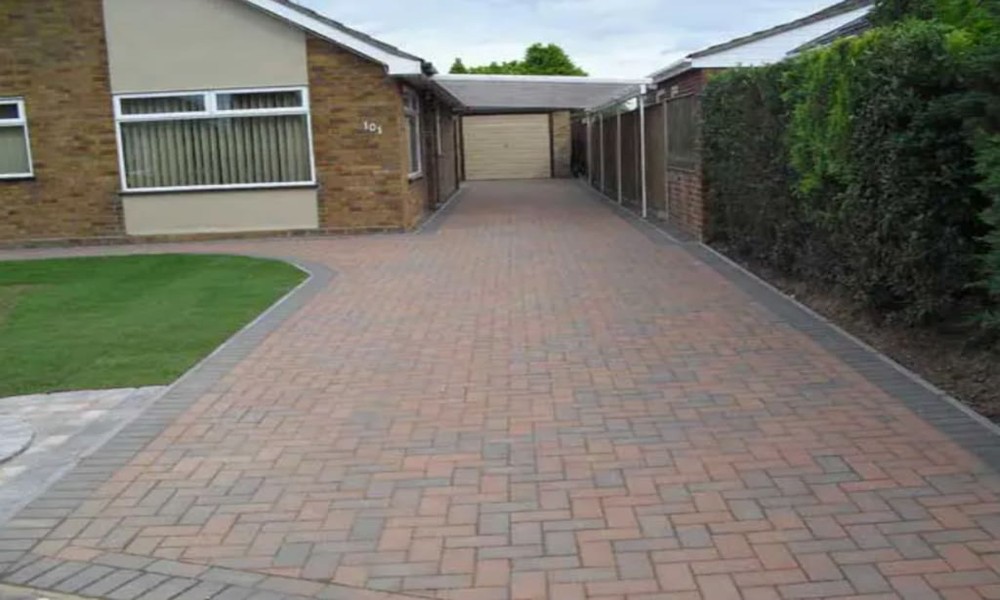
In Norfolk, where coastal winds, open skies, and quiet lanes shape daily life, the journey home can be more than a physical transition, it can be a psychological reset. A thoughtfully designed driveway acts as the first stage of decompression, easing residents out of traffic stress and into domestic calm.
By shaping entry flow with intention, homeowners in Norfolk can transform a routine arrival into a restorative experience that supports mental well-being and daily balance.
Why Entry Flow Matters for Mental Reset
Environmental psychology shows that gradual transitions help the brain shift from alertness to relaxation. In Norfolk, where commutes may include rural roads, town centres, and seasonal tourist traffic, the contrast between public movement and private stillness can feel abrupt.
A decompressive driveway layout helps by:
- Reducing sudden sensory changes, such as noise and visual clutter
- Encouraging slower driving and walking speeds
- Creating predictable, gentle movement patterns toward the home
- Offering brief moments of visual relief before reaching the front door
Curved Approaches Over Direct Lines
Straight, fast approaches can mirror road conditions and keep the body in “transit mode.” In Norfolk properties with sufficient frontage or side access, gentle curves can soften this transition.
Benefits of curved or offset driveways include:
- Naturally slowing vehicle speed without harsh braking
- Introducing changing views of planting, walls, or boundary hedges
- Reducing direct sightlines from the road into private living spaces
- Creating a sense of progression rather than abrupt arrival
Surface Materials That Calm, Not Rush
The feel and sound of driveway materials also influence emotional response. Hard, echoing surfaces can amplify tyre noise, while textured finishes absorb sound and promote slower travel.
In Norfolk’s climate and soil conditions, suitable calming surfaces include:
- Resin-bound gravel for smooth movement with muted sound
- Permeable block paving with soft colour variations
- Natural stone setts for visual warmth and heritage character
- Mixed-material bands that subtly guide parking position
Beyond aesthetics, these surfaces manage drainage effectively, which is essential in Norfolk’s low-lying and coastal zones where standing water can add stress and maintenance concerns.
Landscape Buffers as Emotional Filters
Green buffers between the public road and private driveway act as psychological filters. Even small planting zones can reduce the feeling of exposure and improve emotional comfort.
Effective buffer features for Norfolk homes include:
- Native hedging to soften wind and traffic noise
- Low tree canopies that frame the approach without blocking light
- Coastal-tolerant shrubs for properties nearer the shoreline
- Seasonal planting that changes gently through the year
Parking Placement and Walking Transitions
The point where residents exit the car is critical for emotional recalibration. A short, pleasant walking path between parking and entrance allows breathing to slow and posture to relax.
Design considerations that support decompression include:
- Slight separation between parking bays and front doors
- Sheltered pathways that protect from Norfolk’s frequent winds
- Even lighting that avoids harsh glare during evening arrivals
- Textured paving that encourages mindful walking rather than rushing
Lighting That Guides Without Overstimulating
Evening arrivals are common, especially during Norfolk’s shorter winter days. Lighting should ensure safety while maintaining a calm visual atmosphere.
Recommended approaches include:
- Low-level bollard lighting rather than overhead floodlights
- Warm colour temperatures that avoid stark contrasts
- Directional lights that guide movement instead of flooding the area
- Subtle illumination of planting or boundary features for visual depth
Bottom Line
In Norfolk, where environmental character already supports slower rhythms of life, driveway design offers a powerful yet often overlooked opportunity to enhance mental well-being. By shaping entry flow with curves, calming materials, green buffers, thoughtful parking placement, and gentle lighting, homeowners can create a decompressive arrival sequence that promotes emotional reset.
A well-designed driveway does not simply accommodate vehicles, it quietly prepares the mind for rest, connection, and the comfort of home.
