
An overgrown tree is not automatically a tree that has to go. Owners often treat size as the problem and removal as the only cure, when the real questions are whether the tree is sound, whether it is protected and whether a lighter intervention would achieve the same result. Because tree cutting in Singapore carries legal as well as practical consequences, it pays to work through those questions in order before anyone starts an engine.
What Overgrown Really Means
The word covers several different conditions. A tree may simply be large for its position, shading a garden or dropping leaves into a pool. It may have a dense, untidy crown because it has never been pruned. Or it may have outgrown the soil volume available and begun to lift paving and press against walls. Each of these calls for a different response, and only the last is likely to justify taking the whole tree down.
Assessing Health Before Deciding
Size and health are separate matters. A big tree with a full crown, sound bark and no decay at the base may be perfectly stable, while a smaller one with a hollow trunk can be dangerous. An arborist will look for dead wood, cavities, fungal growth, included bark at the forks and signs of root damage. Where the outward evidence is unclear, tools such as a resistance drill or sonic tomograph can show how much solid timber remains inside the trunk.
The Legal Position on Felling
Some trees cannot be felled at the owner’s discretion. Under the Parks and Trees Act, a tree with a girth exceeding one metre, measured half a metre above the ground, is protected if it stands in a tree conservation area or on vacant land anywhere on the island. Approval from the National Parks Board is required before it is cut down, and unauthorised felling can attract a fine of up to $50,000.
Alternatives That Keep the Tree
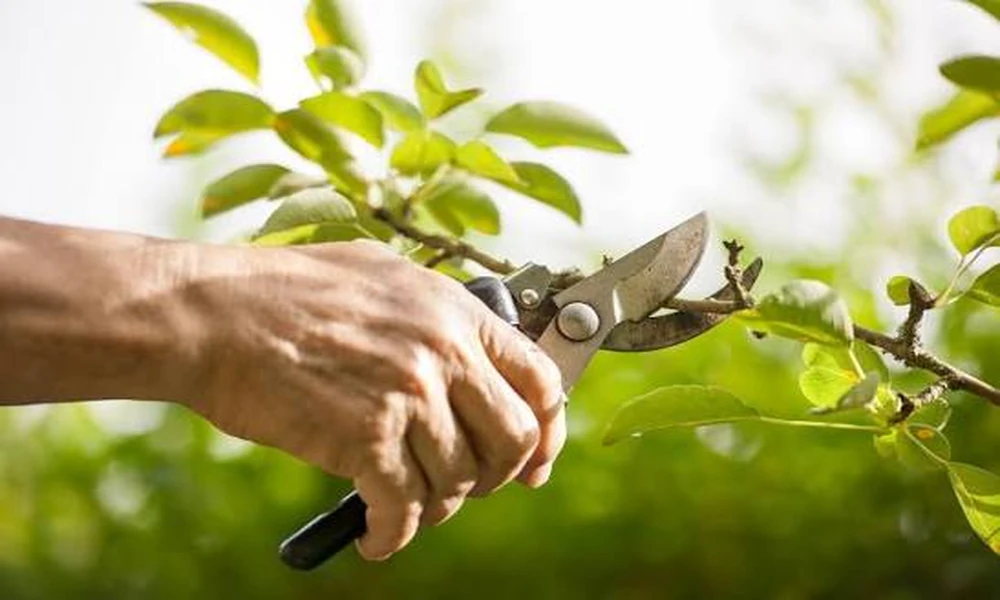
Removal is permanent, so the alternatives deserve a fair hearing. Crown reduction shortens the height and spread while keeping a natural outline. Crown thinning lets more light and wind through without changing the overall size. Crown lifting removes the lower branches to clear roofs, vehicles and sightlines. A tree pruning contractor singapore can advise which of these suits the species, since some trees respond well to reduction and others react with weak, fast regrowth that creates a bigger problem within two or three years.
When Removal Is the Right Call
There are cases where taking the tree down is clearly correct. Extensive decay in the trunk or main roots, a progressive lean with ground heave, death of most of the crown and serious structural damage to buildings or drains are the usual grounds. So is a tree of an unsuitable species planted far too close to a house. In these situations delay increases risk and cost, because a weakened tree is harder and more hazardous to dismantle than one that still has strength in its timber.
How Large Trees Are Taken Down
In a built-up setting a mature tree is almost never felled in one piece. Climbers or a crew on a platform remove the crown in sections, lowering each on ropes to avoid damage below. The trunk is then cut down in manageable lengths. The method chosen affects both price and duration, so a contractor should explain it in the quotation and describe how nearby structures, cables and planting will be protected.
Stumps, Roots and the Ground Afterwards
Cutting the tree is only part of the job. A stump left in place can resprout, attract termites or simply obstruct whatever is planned for the space. Grinding reduces it to below ground level and leaves chippings that can be removed or used as mulch. Major roots generally stay in the soil and decay slowly, which can cause slight settlement over time. Owners who intend to pave, build or replant on the spot should say so at the outset, as it changes the scope.
Neighbours, Boundaries and Shared Trees
Overgrown trees are a frequent source of friction between adjoining owners. A tree whose trunk stands on one plot belongs to that plot, even where branches and roots cross the line. Before any substantial work, it is sensible to tell the neighbour what is planned and when, particularly if access through their land would make the job safer. In strata developments the tree may be common property, in which case the management corporation, not the individual resident, must authorise and arrange the work.
Aftercare for the Surrounding Landscape
Removing a large canopy changes the ground beneath it overnight. Shade-loving plants are suddenly exposed to full sun, bare soil appears where roots once competed with turf, and weeds move in quickly. Planning the follow-up at the same time as the removal avoids a neglected patch. That usually means topdressing, returfing or replanting, followed by a regular grass cutting service so that the newly opened area establishes evenly and blends with the rest of the lawn.
A Sensible Order of Decisions
Work through the matter in sequence. First, define what the tree is actually doing wrong. Second, have its health and structure assessed by a qualified person. Third, confirm whether it is protected and obtain any approval required. Fourth, consider whether pruning would solve the problem at lower cost and risk. Only then compare quotations for removal, checking method, insurance, stump treatment and disposal in each.
