
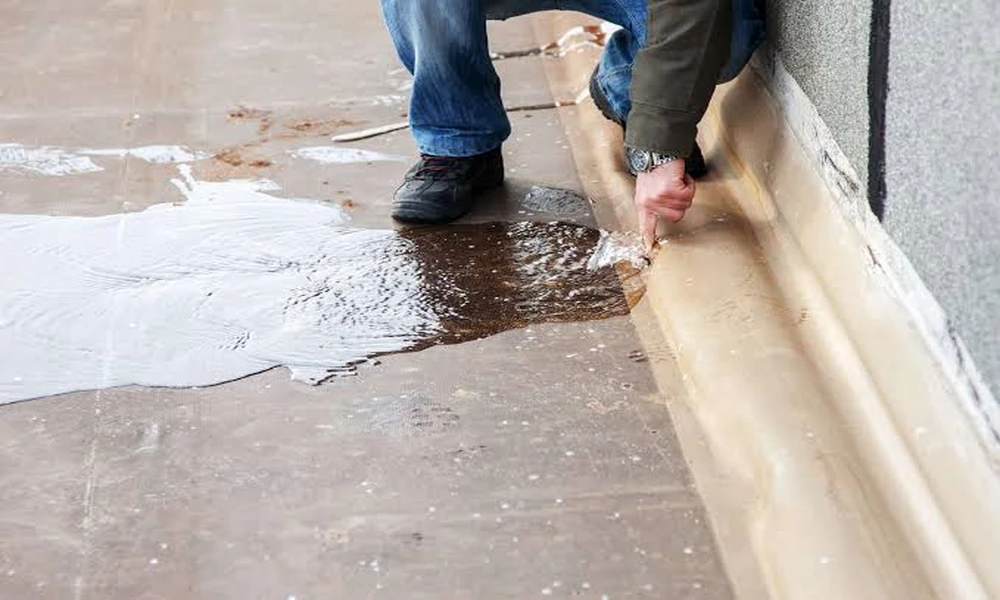
You open the water bill and it is higher than last quarter. Nothing has changed in the household. Nobody is taking longer showers, the garden is not thirstier, and the family is the same size. When the numbers climb without a clear reason, it is natural to start hunting for answers. Here are the usual suspects, plus one that most people overlook.
1. A Running Toilet
A toilet with a faulty flapper or fill valve can leak water into the bowl around the clock. It is one of the most common causes of unexpected bills, and it is easy to test. Add a few drops of food colouring to the cistern. If colour appears in the bowl without flushing, you have a leak.
2. Dripping Taps
A single drip may not seem like much, but it never stops. Over weeks and months the volume adds up. Worn washers and cartridges are usually the culprit, and they are inexpensive to replace.
3. Irrigation and Garden Systems
Sprinklers and drip lines can develop cracks, loose fittings and stuck valves. Because they run on timers, a fault can go unnoticed for a long time. Walk the system while it runs and look for geysers, pooling water or dry patches that suggest a blockage.
4. Seasonal and Lifestyle Changes
Hot weather, guests, a new pool or a change in work-from-home habits can all increase usage. Before assuming there is a fault, check whether your household routine has shifted. Sometimes the explanation really is that simple.
5. Faulty Appliances
Washing machines, dishwashers and water heaters rely on hoses and valves that wear out. A slow leak behind an appliance may not be visible, but it adds to consumption. Inspect hoses for bulges or cracks and look for moisture around the base.
6. Billing Errors or Meter Faults
Occasionally the issue lies with the reading itself. Compare your bill with a manual meter reading and contact your provider if the numbers do not match. This is rare, but worth ruling out.
7. Leaking Pipes Inside Walls
Pipes behind walls can leak without any visible stain, especially in the early stages. If you notice peeling paint, bubbling plaster or a damp smell, the source may be in the plumbing hidden inside the structure.
The One You Haven’t Checked: Buried and Concealed Pipes
If you have gone through the list above and the bill is still high, the cause is probably out of sight. Water supply lines that run beneath your yard and your home can fail without warning, and the water simply disappears into the soil.
There is a quick way to test this. Turn everything off, read your meter, wait an hour, then read it again. If it has moved, water is escaping somewhere. The next question is where.
For leaks in the yard, driveway or path areas, specialists offering underground water leak detection services can locate the break using acoustic and tracing equipment, so you do not have to dig up large sections of your property to find it.
For homes built on stumps or raised foundations, the sub-floor area is another place to check. A leak there can soften timber, encourage mould and raise your bill at the same time. Dedicated under house water leak detection helps pinpoint problems in that hidden space without unnecessary demolition.
How to Narrow Down the Cause
A structured approach saves time:
- Do the meter test to confirm a leak exists.
- Check toilets and taps first, since they are the simplest to fix.
- Inspect outdoor taps, irrigation and visible hoses.
- Look for damp patches, odours and soft ground.
- If the meter still moves, arrange professional detection.
Work through the steps in order. Each one rules something out and brings you closer to the real source. Keep notes as you go, since they will help a plumber or technician understand what has already been checked.
Why Quick Action Matters
A high bill is annoying, but the bigger concern is what the water is doing while it escapes. It can undermine soil, rot timber and damage foundations. The sooner the source is found, the smaller the repair and the lower the total cost.
Keeping a Simple Water Log
A small habit can make future problems easier to spot. Once a month, read your water meter at the same time of day and write the figure down. Over a few months you will build a clear picture of your normal usage. When a reading jumps without explanation, you will notice quickly, and you will have solid information to share with a plumber or leak detection specialist.
Final Thoughts
A rising water bill is a signal worth taking seriously. Start with the simple checks, run the meter test, and do not ignore the possibility of hidden leaks beneath your yard or floor. A little detective work now can save a significant amount later.
