
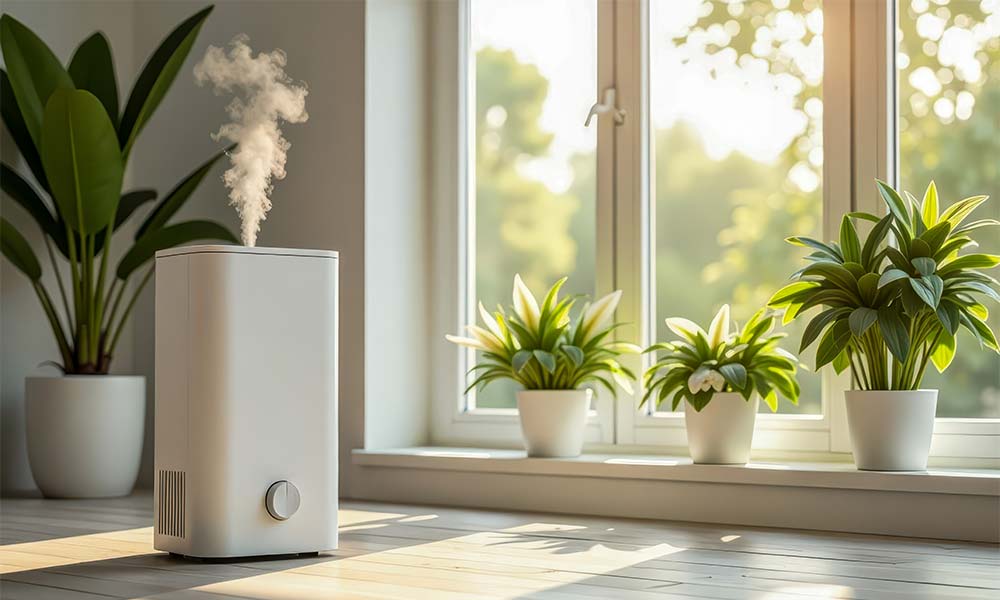
Indoor air may feel clean, yet many homes in Victoria contain hidden pollutants that affect health and comfort. While residents often worry about traffic smog outside, the reality is that indoor air can hold higher levels of contaminants from daily activities, cleaning supplies, and furnishings. Recognizing these overlooked sources is the first step toward creating healthier indoor spaces.
Common Indoor Pollutants
Several pollutants build up quietly inside homes without obvious warning signs. In Victoria, where many houses are sealed during cooler months to preserve warmth, these pollutants may linger for longer periods.
Key hidden sources include:
- Volatile Organic Compounds (VOCs): These chemicals come from paints, varnishes, and some new furniture. They can trigger headaches, eye irritation, or breathing difficulties.
- Household Dust: More than just dirt, dust carries mold spores, pet dander, and even traces of pesticides. When stirred into the air, it contributes to allergies and asthma attacks.
- Mold and Mildew: High humidity levels, especially in bathrooms and basements, allow mold growth. Mold spores can aggravate respiratory problems and create unpleasant odors.
- Cleaning Products: Many common sprays and disinfectants release harsh chemicals into the air. Ironically, efforts to achieve a clean smell may leave behind lingering toxins.
- Carbon Monoxide: From gas stoves, fireplaces, or poorly ventilated heaters, carbon monoxide poses serious risks as it is odorless and invisible.
- Radon Gas: Certain areas in Victoria have natural deposits that release radon into indoor spaces. Long-term exposure is a leading cause of lung cancer after smoking.
Why These Pollutants Are Overlooked
In Victoria’s homes, visible messes get attention, but hidden air pollutants like VOCs and carbon monoxide often go unnoticed. Sealed windows and central heating reduce fresh air circulation, allowing pollutants to accumulate and posing a threat to indoor air quality.
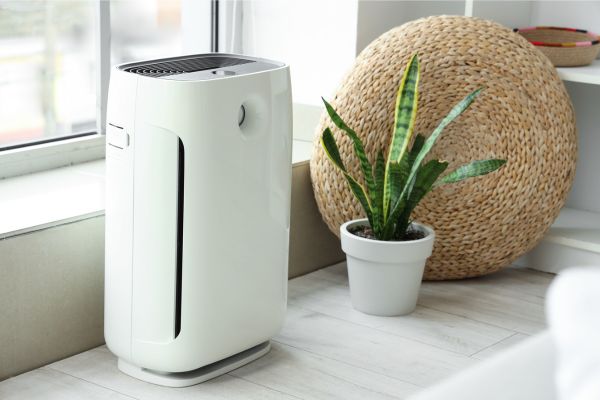
Steps Toward Cleaner Air
Improving indoor air quality does not require drastic measures, but consistent small steps can make a major difference for Victoria households. Consider the following practical steps:
- Increase Ventilation: Open windows whenever possible, especially during mild weather. Fresh air dilutes accumulated pollutants.
- Choose Safer Products: Select low-VOC paints, natural cleaning products, and unscented household items.
- Control Humidity: Keep indoor humidity below 50% to discourage mold growth. Use dehumidifiers in basements where moisture gathers.
- Maintain Heating Systems: Schedule regular inspections for gas heaters and fireplaces to reduce carbon monoxide risks.
- Vacuum with HEPA Filters: These filters trap fine dust, pet dander, and small particles that regular vacuums may release back into the room.
- Test for Radon: Homeowners in Victoria should consider radon testing, particularly in older properties, to ensure safe exposure levels.
Why Attention Matters in Victoria
In Victoria’s eco-friendly environment, residents often overlook indoor air pollution. Sealed homes can trap pollutants, compromising comfort and health. By taking proactive steps, families can improve indoor air quality, protecting their well-being and long-term health.
Bottom Line
Hidden pollutants inside Victoria homes often remain unnoticed until they cause health issues. By learning about VOCs, mold, carbon monoxide, and other hazards, residents can take meaningful actions to reduce risks. A cleaner indoor environment is not only healthier but also brings peace of mind, ensuring that homes remain true sanctuaries of well-being.
