
A Room-by-Room Pest Prevention Plan For Every SeasonKey Takeaways
- Effective pest prevention starts with removing food sources, controlling moisture, reducing clutter, and sealing gaps around doors, windows, pipes, and vents.
- Regular home inspections can reveal early warning signs such as droppings, gnaw marks, shed skins, damaged food packages, mud tubes, and unusual odors.
- Kitchens, bathrooms, laundry rooms, bedrooms, and storage spaces each need targeted cleaning, food protection, moisture control, and clutter reduction.
- Yard maintenance, secure trash containers, clear gutters, trimmed vegetation, and removal of standing water can reduce pest activity around the home.
- Seasonal inspections help homeowners address entry points, nesting areas, standing water, and other pest risks as weather conditions change.
- Identify the pest before choosing a treatment, prioritize practical prevention methods, and follow pesticide labels carefully to protect people and pets.
- Seek professional help when infestations persist, pests remain unidentified, structural damage is suspected, or rodents and stinging insects pose risks near living spaces.
Pest prevention is usually less about one dramatic fix and more about removing the everyday conditions that invite unwanted visitors inside. Whether you handle routine upkeep yourself or consult a local provider such as Green Pest Services, a practical plan starts with food storage, moisture control, entry-point repairs, and regular observation.
Most household pests look for dependable food, water, shelter, or a protected place to nest. Addressing those basics can reduce activity before it becomes a larger problem and help homeowners use treatments more carefully when they are genuinely needed.
Table Of Contents
- Why Prevention Matters
- Start With A Home Inspection
- Keep The Kitchen Less Appealing To Pests
- Control Moisture In Bathrooms And Laundry Areas
- Check Bedrooms And Living Areas
- Inspect The Garage, Attic, And Basement
- Reduce Pest Pressure Around The Yard
- Follow A Seasonal Pest Prevention Checklist
- Use Treatment Products With Care
- Know When To Ask For Help
Why Prevention Matters
A prevention-first approach saves attention for the conditions that matter most. Integrated pest management combines inspection, prevention, monitoring, and targeted control, rather than treating every insect sighting as a reason to spray. Not every outdoor insect is harmful, and many beneficial insects belong outside. The goal is to keep pests from becoming a problem indoors or around areas where people live.
Start With A Home Inspection
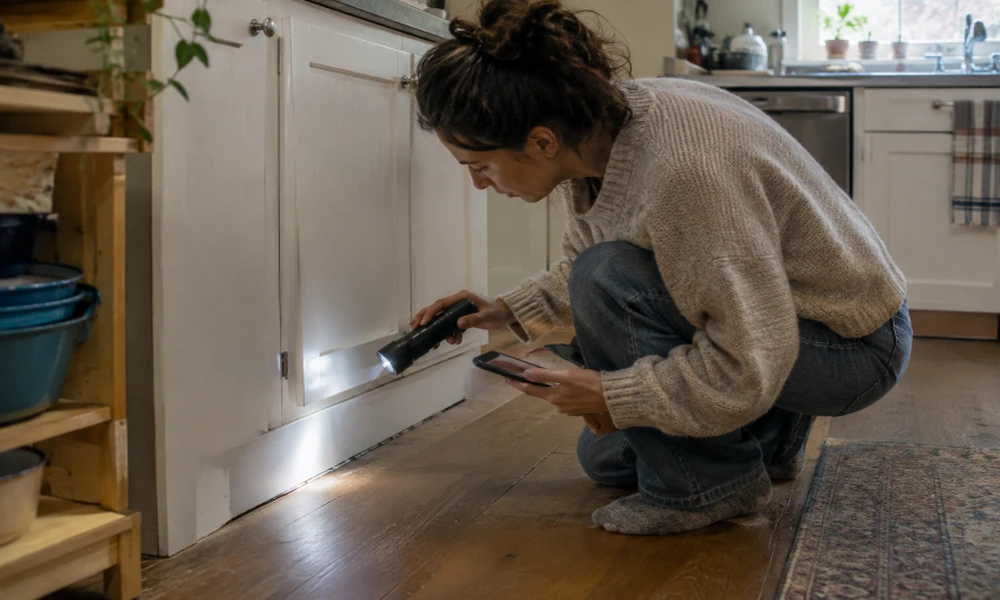
Set aside about 30 minutes for a simple walk-through with a flashlight, notepad, and phone camera. Check the exterior first, then move through rooms where food, water, clutter, and hidden openings are most likely to occur. Photos make it easier to compare a suspicious area over time or explain the issue to a professional.
Inspection Points To Cover
- Look for cracks near the foundation and gaps around pipes, utility lines, vents, doors, and windows.
- Check door sweeps, weatherstripping, screens, and garage-door seals for wear or damage.
- Watch for droppings, shed skins, gnaw marks, damaged food packages, mud tubes, or unusual odors.
- Note standing water, leaking fixtures, clogged gutters, and vegetation touching siding or rooflines.
Correct identification matters. Ants, rodents, termites, pantry pests, and moisture-loving insects do not respond to the same prevention steps, so avoid guessing before choosing a control method.
Keep The Kitchen Less Appealing To Pests
A kitchen can look clean while still offering crumbs, grease, pet food, and moisture in hard-to-reach places. Keep flour, cereal, rice, snacks, and pet food in tightly sealed containers. Wipe counters, cabinet edges, and floors, and clean beneath appliances when it is safe to do so. Empty indoor trash often enough that food odors do not linger.
Inspect dry goods before putting them away, especially packages that have been stored for a while. If pantry pests appear, discard clearly infested items, vacuum and wipe the shelf, then inspect nearby packages before replacing food. Repair leaks below sinks and around dishwashers, because hidden moisture can extend the problem beyond the pantry.
Control Moisture In Bathrooms And Laundry Areas
Damp rooms can attract pests even when food is limited. Repair dripping faucets and loose plumbing connections, run the bathroom exhaust fan during and after showers, and promptly dry wet bath mats or towels. In laundry areas, check behind the washer, around supply hoses, and near floor drains. A dehumidifier may help in a persistently damp basement or utility room, but it should not replace repairing the source of a leak.
Check Bedrooms And Living Areas
Quiet rooms may provide undisturbed hiding places in closets, upholstered furniture, storage bins, and clutter. Reduce loose cardboard and paper piles, vacuum baseboards and beneath furniture, and keep clothes and linens off damp floors. Inspect secondhand furniture before bringing it indoors, and wash pet bedding regularly. Repeated sightings in one location, small stains, shed skins, or nighttime activity are useful early warning signs worth documenting.
Inspect The Garage, Attic, And Basement
Storage spaces often offer shelter, nesting material, and overlooked entry points. In the garage, use sealed plastic bins rather than loose cardboard, clean up spilled birdseed or pet food, and keep stored items a short distance from walls where possible. Keep firewood away from the house rather than stacked against exterior siding.
In attics and basements, look for roof leaks, damp insulation, condensation, damaged vent screens, droppings, gnaw marks, and nesting material. Seal openings around wiring and plumbing after confirming that the area is safe to access. Improving ventilation can also help where moisture routinely collects.
Reduce Pest Pressure Around The Yard
Outdoor upkeep affects what reaches the home. Trim branches and shrubs away from walls and rooflines, remove leaf piles and fallen fruit near the foundation, and clear gutters and downspouts. Empty containers that collect rainwater, including buckets, planters, toys, and plant trays. The EPA recommends reducing access to food, water, and shelter before relying heavily on pesticide applications.
Use secure trash-can lids, avoid placing mulch directly against siding or wood, and assess exterior lights near doors and patios. Some lights attract flying insects, so placement and use can affect where insects gather after dark.
Follow A Seasonal Pest Prevention Checklist
Winter
- Seal openings before cold conditions encourage pests to seek indoor shelter.
- Inspect stored decorations, boxes, firewood, garages, attics, and basements.
Spring
- Clean gutters, inspect screens, check for new cracks, and remove standing water.
- Watch for early ant, termite, and other insect activity around the home.
Summer
- Manage food and pet dishes during outdoor gatherings, and inspect decks, sheds, patios, and play areas.
- Watch for stinging-insect activity near rooflines, wall voids, and entryways.
Fall
- Clear leaves from foundations and drains, move firewood away from walls, and inspect doors, windows, and attic vents.
Use Treatment Products With Care
Start with exclusion, cleaning, moisture control, traps, or other physical controls whenever practical. If a pesticide is necessary, identify the target pest, read the full label, use only the listed amount, and follow directions about ventilation, re-entry, storage, and keeping children and pets away. Never mix products unless the labels specifically allow it, transfer chemicals into food or drink containers, or use an outdoor product indoors. “Natural” products still require careful handling.
Know When To Ask For Help
Professional help may be appropriate when activity continues after basic prevention, the pest cannot be identified, termites or structural damage are suspected, rodents are entering walls or ceilings, or stinging insects are nesting near living spaces. Ask about licensing, inspection methods, the proposed treatment plan, product labels, follow-up visits, and safety steps before work begins.
Conclusion
A dependable pest prevention plan is simple and consistent. Check for entry points, protect food, reduce moisture, manage storage, and maintain the exterior through every season. These habits can prevent many common issues from growing, while careful identification and measured treatment choices support a safer response when pest activity does occur.
